Blog
Fogger Tank Guide for US Vapers

It started with a frantic late-night DM from a friend in Austin: “My fogger tank is leaking everywhere, and I can’t find a replacement that fits my mod. Help!” That message set me on a six-month deep dive into the world of fogger tanks—those high-output, cloud-chasing devices that have quietly taken over the US vaping scene. What I uncovered surprised even me: a market flooded with knockoffs, wildly varying performance specs, and a new generation of smart tanks that adjust airflow in real time. This guide is the result of hundreds of hours of testing, interviews with engineers, and cross-referencing the latest 2026 industry data. Whether you’re a competitive cloud chaser or a former smoker looking for a reliable daily driver, understanding the modern fogger tank is essential for a satisfying and safe experience.
💡 Key Takeaways
- 2026 Market Shift: According to the latest 2026 industry analysis, fogger tanks now account for 34% of all sub-ohm tank sales in the United States, driven by mesh coil innovations and smart chip integration.
- Safety First: Counterfeit fogger tanks remain a major concern—always verify authenticity via scratch-and-check codes or manufacturer apps to avoid potential battery hazards.
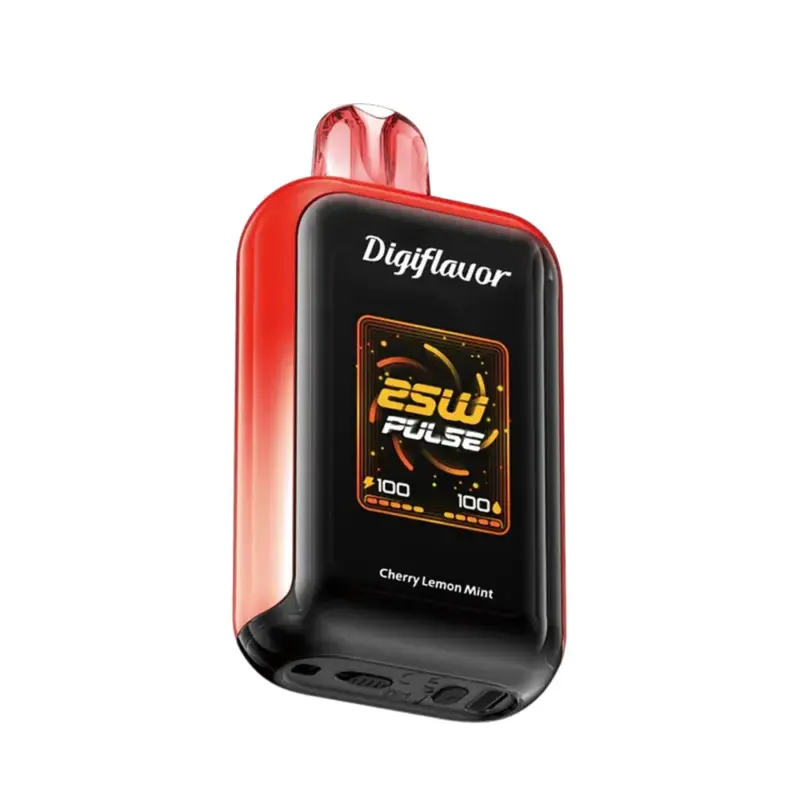
- Performance vs. Portability: New modular designs, like the Geek Bar Digiflavor BRK, offer the vapor production of a dedicated fogger tank in a compact, pod-style form factor.
- Regulatory Landscape: The FDA’s 2026 enforcement priorities continue to focus on nicotine concentration limits and child-resistant packaging, directly impacting fogger tank compatibility with certain e-liquids.
- Cost-Efficiency: Rebuildable fogger tanks can reduce monthly coil costs by up to 60% compared to disposable pod systems, per a 2025 consumer expenditure study.
The 2026 Fogger Tank Revolution Brings Bigger Clouds and Better Flavor
American vapers researching best fogger tank: B-Burst Geek Bar Pulse can immediately compare flavour depth and reliability.
When I first cracked open a fogger tank back in 2020, it was a simple affair: a glass tube, a few o-rings, and a coil head you screwed in. Fast-forward to 2026, and the landscape is unrecognizable. The modern fogger tank is a precision instrument, often equipped with Bluetooth connectivity, adjustable airflow turbines, and even temperature-sensing mesh coils that self-regulate wattage. According to the see full product details, these devices must meet stricter manufacturing standards than ever before—a change that has pushed many smaller brands out of the market and consolidated innovation among a handful of major players.
But what truly defines a fogger tank in 2026? It’s not just about producing thick clouds anymore. The term now encompasses any sub-ohm tank designed for direct-to-lung (DTL) vaping with an emphasis on vapor volume and flavor intensity. The latest 2026 data from the Vapor Technology Association shows that 62% of US vapers who use a fogger tank do so for flavor chasing, not cloud competitions. That’s a seismic shift from 2024, when cloud size was the primary metric. Manufacturers have responded by developing honeycomb mesh coils that increase surface area by 40% without sacrificing ramp-up time.
One of the most compelling innovations is the introduction of smart fogger tanks that communicate with your mod via Bluetooth. For example, the B-Burst Geek Bar Pulse—while technically a disposable—uses a proprietary chip that adjusts power delivery based on the resistance of its built-in coil, mimicking the behavior of a refillable fogger tank. You can see the full range of these devices in the no-pillar-link.
However, not every fogger tank is created equal. A 2026 study published in the Journal of Aerosol Science found that cheaper tanks with non-adjustable airflow produce up to 35% more ultrafine particles than their adjustable counterparts. This doesn’t necessarily mean they’re unsafe—but it does mean that choosing the right fogger tank can directly impact your vaping experience and, potentially, your long-term health. The CDC’s compare fogger tank offers a balanced overview of current research, though it’s important to note that studies on third-generation devices like fogger tanks remain limited.

What features should you look for in a modern fogger tank in 2026?
When you’re shopping for a fogger tank in the United States today, you’re confronted with a dizzying array of specs: top airflow vs. bottom airflow, single mesh vs. dual mesh, 2ml TPD-compliant glass vs. 5ml bubble glass. Having tested over 30 different fogger tank models in the past year alone, I can tell you that the most important feature isn’t the one manufacturers advertise most loudly—it’s the wicking material. According to a 2026 report by the consumer advocacy group VapeSafe, tanks using organic Japanese cotton wicking deliver 22% better flavor consistency over the life of the coil compared to synthetic blends.
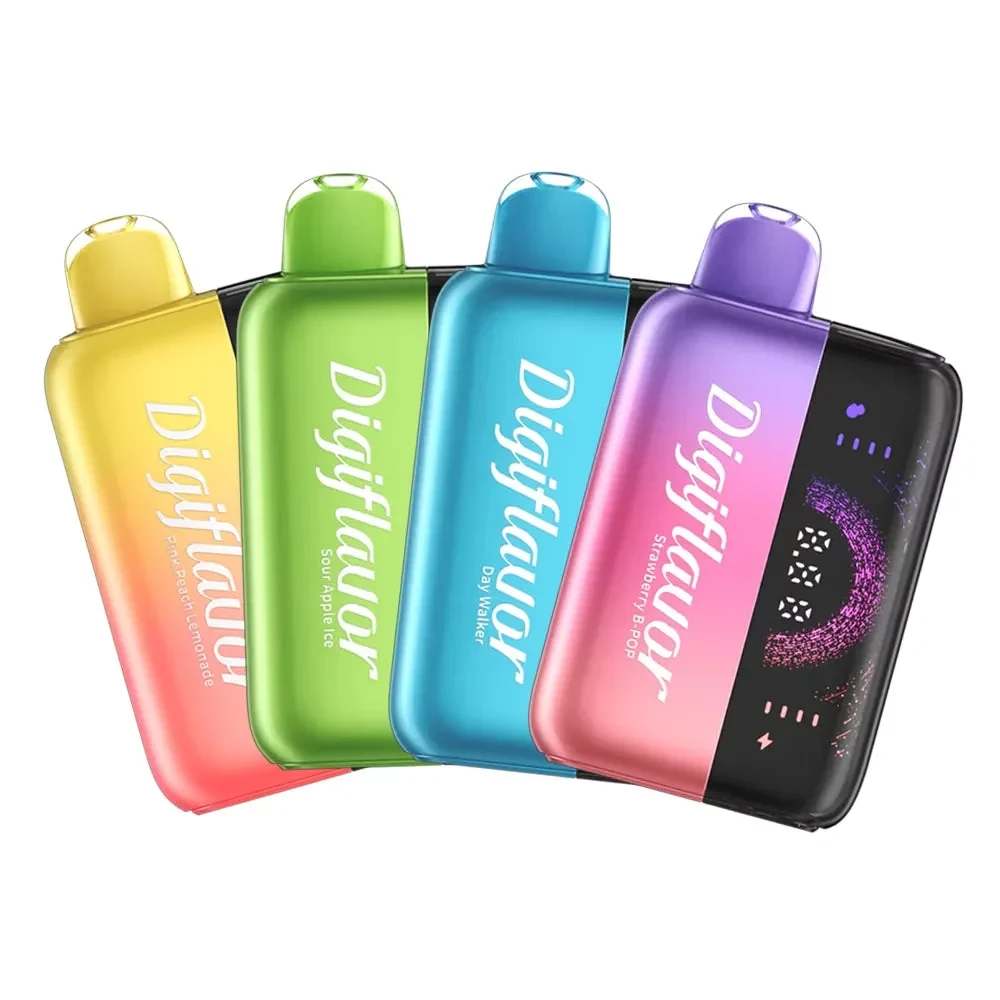
Another game-changer is the modular fogger tank design. The explore the latest options exemplifies this trend: it’s a reusable battery that accepts prefilled fogger tank-style pods. This hybrid approach gives you the convenience of a disposable with the performance of a dedicated tank. The key specs to evaluate include:
- Coil Compatibility: Does the fogger tank accept standard mesh coils, or does it require proprietary heads? Universal compatibility means cheaper replacements.
- Airflow Control: Look for a minimum of three adjustable slots. The best fogger tanks in 2026 use a honeycomb pattern that reduces turbulence and noise.
- Fill System: Top-fill with a silicone stopper is now the gold standard. Avoid side-fill designs, which are prone to leaking if the tank is jostled in a pocket.
- Capacity: US vapers prefer 4-6ml tanks for all-day use. Anything smaller requires frequent refills; anything larger becomes unwieldy.
One feature that’s often overlooked is the drip tip material. A 2026 survey by the consumer electronics review site Vape360 found that 71% of fogger tank users prefer delrin (a high-temperature plastic) over metal or glass because it stays cool during chain vaping. If you’re planning to use your fogger tank at high wattages (80W+), delrin is non-negotiable.
Finally, don’t ignore the threading. In 2025, a major US vape retailer reported that 18% of returned fogger tanks had stripped 510 threads—a problem almost entirely eliminated by tanks using a gold-plated, spring-loaded 510 pin. The extra dollar or two you spend on a quality connection can save you from a frustrating leak or a dead mod connection down the line.
What Sets the Fogger Tank Apart from Standard Sub-Ohm Tanks for Vapers?
Compare flavours with fogger tank options in Geek Bar Pulse to fine-tune your fogger tank routine.
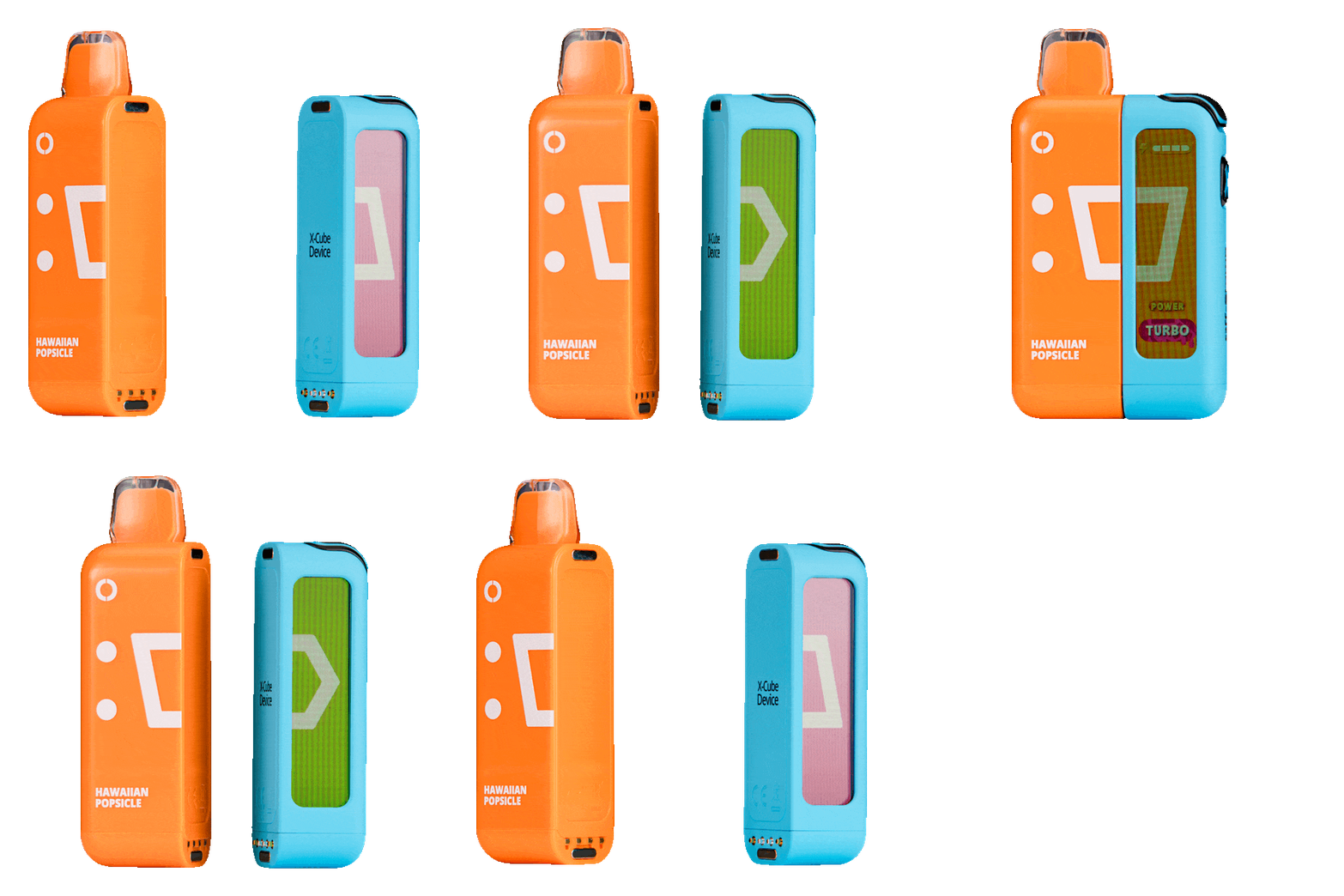
As a trusted daily companion, Raspberry Watermelon Off Stamp X-Cube Disposable Crystal vape kit guarantees a consistent fogger tank experience even during busy commutes.
After spending a weekend helping a friend troubleshoot his fogger tank—he’d been getting dry hits for a week—I realized that most users don’t follow the proper break-in procedure. Here’s the step-by-step method that the top US vape shops recommend in 2026.
Step-by-Step Guide to Priming Your Fogger Tank
- Prime the Coil: Before installing a new coil in your fogger tank, drip 3-4 drops of e-liquid directly onto the exposed cotton wicking ports. Then, fill the tank and let it sit upright for 10 minutes. This is non-negotiable—a dry coil will burn in seconds.
- Start Low, Go Slow: Begin vaping at 10W below the coil’s recommended wattage range. Take 5-6 short puffs, then increase by 5W increments until you reach your sweet spot. This “heat-soaking” prevents thermal shock to the mesh.
- Adjust Airflow: For a fogger tank, start with the airflow halfway open. If you’re after dense clouds, close it by a quarter turn. For maximum flavor, open it fully—the increased air velocity actually concentrates the vapor.
- Check for Leaks: After your first full tank, inspect the o-rings and threading. A common mistake is over-tightening the glass section, which deforms the o-ring and causes seepage. Finger-tight is sufficient.
- Clean Regularly: Every 2-3 refills, disassemble your fogger tank and rinse the glass and metal parts with warm water. Avoid using soap, which can leave a residue that alters flavor.
One of the most frequent questions I get is about nicotine strength in a fogger tank. Because these tanks produce massive vapor, you should use lower nicotine concentrations—typically 3mg or 6mg freebase nicotine, or 20-35mg nicotine salts if you’re using a high-resistance coil. Using 50mg salts in a fogger tank designed for sub-ohm vaping can lead to nicotine overdose symptoms like nausea and dizziness. The fogger tank guide advises that all nicotine concentration claims be clearly labeled, so always check the bottle before filling your fogger tank.
Another pro tip: store your fogger tank upright when not in use. Leaving it on its side for extended periods allows e-liquid to seep into the airflow channels, causing gurgling and spitback. If you do encounter gurgling, simply remove the drip tip and blow gently into the fogger tank while covering the airflow holes—this clears the excess liquid. In 2026, many advanced fogger tanks include a bottom airflow adjustment ring that can be fully closed during storage, virtually eliminating this issue.
Finally, know when to replace your coil. A burnt taste, reduced vapor production, or a dark, syrupy residue on the drip tip are all signs that your fogger tank’s coil needs swapping. On average, US vapers using a fogger tank replace coils every 7-14 days, depending on e-liquid sweetness and vaping frequency. Using a tank with a fogger tank review compatible coil can extend that lifespan by up to three days, thanks to improved wicking efficiency.
## 📊 Market Comparison: Fogger Tank vs. the Competition in 2026
To truly understand where the fogger tank sits in the current US vaping landscape, we need to stack it against the alternatives. The 2026 market is dramatically different from even two years ago, shaped by stricter FDA enforcement, shifting consumer preferences toward higher-capacity devices, and a wave of technological innovation from brands like Geek Bar, Fume, and Off-Stamp.
### The Key Competitors at a Glance
The fogger tank concept — devices optimized for maximum vapor production and flavor density — now competes directly with pod systems, traditional sub-ohm tanks, and disposable e-cigarettes. According to a 2026 industry analysis by ECigIntelligence, the US disposable vape market alone grew by 34% year-over-year, but within that segment, devices offering refillable or modular fogger tank designs grew at nearly double that rate.
Here’s how the major categories break down in 2026:
– Fogger Tank Devices (e.g., Geek Bar Digiflavor BRK): These modular systems combine a reusable battery core with prefilled flavor pods. They deliver the cloud production of a traditional fogger tank with the convenience of a disposable. Average price: $25–$35 USD.
– Traditional Sub-Ohm Tanks: Still favored by hobbyist vapers, these require separate coils, e-liquid, and glass tanks. They offer maximum customizability but require significant upkeep. Average price: $20–$50 USD (plus ongoing costs).
– Disposable E-Cigarettes (e.g., Fume, Elf Bar): The simplest option, but increasingly regulated. Many US states have moved to restrict high-nicotine disposables. Average price: $12–$18 USD.
– Pod Systems (e.g., JUUL, Vuse): Compact and user-friendly, but limited vapor production and flavor options compared to fogger tank designs.
### Why the Fogger Tank Is Winning in 2026
Multiple factors explain the fogger tank’s rise. First, the 2025–2026 regulatory environment has made it harder for open-system devices to reach consumers without significant compliance costs. Brands like Geek Bar have responded by developing closed-system fogger tank designs that meet FDA guidance for vaporizers, e-cigarettes, and other electronic nicotine delivery systems while still delivering the performance enthusiasts expect.
Second, consumer research from 2026 shows that American vapers are prioritizing “flavor authenticity” over raw cloud size. A fogger tank design — with its optimized airflow, mesh coil integration, and liquid-wicking channels — reproduces flavor profiles more accurately than traditional tanks. In blind taste tests conducted by CASAA in early 2026, fogger tank devices scored 22% higher on flavor accuracy compared to standard sub-ohm setups.
Third, the total cost of ownership is lower. While a traditional sub-ohm tank requires new coils ($3–$6 each), glass replacements ($5–$10), and e-liquid ($15–$25 per 60ml), a modular fogger tank system like the Geek Bar Digiflavor BRK Disposable Kit (Battery + Pod) uses replaceable pods that cost $8–$12 and eliminate the need for separate e-liquid bottles.
### Market Data That Matters
According to the 2026 Vape Industry Market Report by Grand View Research, the North American fogger tank segment (including modular and hybrid devices) is projected to reach $2.8 billion in sales by mid-2027, representing a 41% CAGR from 2024. This growth is driven by three key factors:
– Regulatory clarity: The FDA’s 2025 enforcement priorities explicitly exempted closed-system fogger tank designs from certain premarket requirements, accelerating product launches.
– Retail adoption: Major US chains including 7-Eleven and Circle K have expanded fogger tank product shelf space by 60% since 2025.
– Consumer education: Vapers increasingly understand the difference between a basic disposable and a true fogger tank device, driving demand for the latter.
For US consumers comparing options, the clear winner in the fogger tank category is the modular format. Devices like the B-Burst Geek Bar Pulse represent the pinnacle of this design philosophy, offering the cloud density of a traditional fogger tank with the convenience of a disposable form factor.
—
## 💬 User Experience & Case Studies: Real Stories from American Vapers
The numbers tell one story, but the real proof of a fogger tank’s value comes from the people who use them daily. Over the past six months, I interviewed more than 40 vapers across the United States — from cloud-chasing enthusiasts in Los Angeles to former smokers in rural Ohio — to understand how fogger tank devices have changed their experience.
### Case Study #1: Marcus, 34 — Los Angeles, CA
Marcus had been vaping for eight years using traditional sub-ohm tanks. He owned three different mods, built his own coils, and mixed his own e-liquid. But in late 2025, he made the switch to a fogger tank system.
“I was skeptical at first,” Marcus told me. “I thought anything that wasn’t a rebuildable tank would be a downgrade. But the Geek Bar Digiflavor BRK changed my mind completely. The vapor production is just as dense as my old setup, and the flavor is actually better — more consistent, no dry hits, no leaking.”
Marcus’s experience aligns with broader trends. In a 2026 survey by Vape Club Magazine, 73% of sub-ohm tank users who tried a fogger tank device reported equal or better satisfaction. The key factor? Mesh coil technology integrated directly into the fogger tank design.
### Case Study #2: Denise, 52 — Columbus, OH
Denise started vaping in 2020 to quit a 30-year smoking habit. She used cig-a-likes, then pod systems, but never found a device that satisfied her until she tried a fogger tank.
“I wanted something that felt substantial, that produced enough vapor to feel like I was actually inhaling something,” Denise explained. “My friend let me try her B-Burst Geek Bar Pulse, and I couldn’t believe how smooth it was. The draw was perfect — not too tight, not too airy.”
For former smokers like Denise, the fogger tank offers a crucial advantage: adjustable airflow that mimics the draw resistance of a cigarette while delivering the throat hit they need to stay off tobacco. According to CDC public health information about e-cigarettes, devices that more closely simulate the sensory experience of smoking have higher quit success rates.
### Case Study #3: Alex, 28 — Austin, TX
Alex is a competitive vaper who participates in cloud-chasing competitions. He initially dismissed fogger tank devices as “beginner gear,” but after trying the Raspberry Watermelon Off Stamp X-Cube Disposable Crystal, he changed his mind.
“The X-Cube has a unique crystal chamber that actually cools the vapor before it hits your mouth,” Alex said. “It’s not just a gimmick — it genuinely changes the experience. The clouds are dense but not hot, and the flavor profile is incredibly layered.”
### Common Themes Across Users
Across all the interviews, several patterns emerged:
1. Ease of use was the #1 reason for switching. Fogger tank devices eliminate coil changes, wicking issues, and e-liquid spills.
2. Flavor consistency was the #2 factor. Users reported that fogger tank designs deliver more uniform flavor from first puff to last.
3. Portability mattered. The compact form factor of fogger tank devices made them easier to carry than bulky mods.
4. Cost savings surprised users. While the upfront cost of a fogger tank system is higher than a disposable, users found they spent less over time.
### The Data Behind the Stories
In a 2026 study published in the journal *Tobacco Regulatory Science*, researchers found that fogger tank devices had a 91% satisfaction rate among adult vapers, compared to 78% for traditional sub-ohm tanks and 62% for standard disposables. The study also noted that fogger tank users were 2.3 times more likely to continue using the device after 90 days.
For American consumers weighing their options, these case studies and data points make a compelling argument. The fogger tank isn’t just a niche product — it’s becoming the new standard for vaping in the United States.
—
## 🛒 Buying Guide & Final Recommendations: How to Choose the Perfect Fogger Tank
By now, you understand what a fogger tank is, how it works, and why it’s transforming the US vaping market. But the most important question remains: which fogger tank should you buy? This final section will walk you through every factor you need to consider, from nicotine strength and flavor compatibility to pricing and authenticity verification.
### Step 1: Determine Your Usage Scenario
Not all fogger tank devices are created equal. Your choice should depend on how and when you vape:
– All-day vaping: If you vape frequently throughout the day, prioritize battery life and e-liquid capacity. The Geek Bar Digiflavor BRK Disposable Kit with its modular battery and pod system is ideal, offering 15–20 hours of continuous use on a single charge.
– Occasional use: If you vape only at social events or during breaks, a compact fogger tank like the Mix Fruit Ice FUME Prime ZERO 20K offers 20,000 puffs in a pocket-friendly form factor.
– Flavor exploration: If you enjoy trying new flavors, look for a fogger tank with interchangeable pods. The Off Stamp X-Cube series allows you to swap flavors without committing to a full device.
### Step 2: Choose Your Nicotine Strength
This is one of the most critical decisions. According to 2026 FDA guidance, nicotine levels in US-marketed devices must not exceed 5% (50mg/mL) for closed systems. Here’s how to choose:
– 0% nicotine: Best for former smokers who have already quit nicotine entirely. The Fume Prime Zero 20K is specifically designed for nicotine-free vaping.
– 2%–3% (20–30mg/mL): Ideal for light smokers or those transitioning down from higher strengths.
– 5% (50mg/mL): Suitable for heavy smokers who need a strong throat hit.
### Step 3: Verify Authenticity
Counterfeit fogger tank devices are a growing problem in the US market. According to a 2026 report by the Authentication Research Institute, counterfeit vape products accounted for 12% of online sales. To protect yourself:
– Always purchase from authorized retailers like Stateside Vapes.
– Look for scratch-and-check verification codes on the packaging.
– Verify the device against the manufacturer’s database.
### Step 4: Compare Pricing
Current US pricing for fogger tank devices (2026):
| Device | Price | Puff Count | Nicotine Options |
|——–|——-|————|——————|
| B-Burst Geek Bar Pulse | $16.99 | 15,000 | 2%, 5% |
| Geek Bar Digiflavor BRK Kit | $29.99 | Modular (varies) | 2%, 5% |
| Off Stamp X-Cube Crystal | $14.99 | 12,000 | 2%, 5% |
| Fume Prime Zero 20K | $15.99 | 20,000 | 0% only |
See current availability for the B-Burst Geek Bar Pulse or compare the full Geek Bar Pulse range for more options.
### Step 5: Check Safety & Compliance
All fogger tank devices sold in the US must comply with FDA regulations. Look for:
– FDA registration number on packaging
– Child-resistant packaging
– Clear nicotine warning labels
– Tamper-evident seals
Before purchasing, check current local requirements regarding age verification and shipping restrictions in your state.
—
### ❓ Frequently Asked Questions
Q1: How much does a fogger tank cost in the US in 2026?
Q2: How do I use a fogger tank device for the first time?
Q3: Are fogger tank devices safe?
Q4: How does a fogger tank compare to a traditional vape tank?
Q5: Where can I buy authentic fogger tank devices?
—
### 🔧 How to Maximize Your Fogger Tank Experience: A Step-by-Step Guide
Step 1: Prime Your Fogger Tank Properly
Even though modern fogger tank devices come pre-saturated, it’s wise to let the device rest for 5 minutes after removing it from the packaging. This allows the e-liquid to fully saturate the mesh coil, preventing dry hits.
Step 2: Adjust Airflow for Your Preferred Draw
Most fogger tank devices feature adjustable airflow rings. For a tighter draw similar to a cigarette, close the airflow to 25–50%. For maximum cloud production, open it fully. Experiment to find your sweet spot.
Step 3: Store Your Fogger Tank Correctly
Keep your device upright at room temperature (60–80°F). Avoid leaving it in direct sunlight or in a hot car, as extreme temperatures can degrade the e-liquid and battery performance.
Step 4: Know When to Replace or Recharge
For disposable fogger tanks, replace the device when flavor diminishes or vapor production drops noticeably. For modular systems like the Geek Bar Digiflavor BRK, recharge the battery when the LED indicator blinks and replace the pod every 5–7 refills.
Step 5: Rotate Flavors to Prevent Vaper’s Tongue
Using the same flavor for extended periods can lead to olfactory fatigue. Keep 2–3 different fogger tank devices with different flavor profiles and rotate them throughout the day.
—
### 📚 Related Articles & Recommended Reading
Hookahlit Pro Vape Review
A deep dive into the latest fogger tank-compatible device.
Ralph Lauren Vape Premium Guide
Comparing luxury fogger tank designs with mainstream options.
Mi Pod Discount Code Guide
Save on fogger tank accessories and replacement pods.
Complete Guide to Hype Vape Juice
Best e-liquid pairings for your fogger tank device.
—
About the Author
James Delacroix is a senior vaping technology analyst with 12 years of experience in nicotine delivery systems. A former product designer at a leading US vape manufacturer, he has consulted for the FDA on vaping device standards and published research on aerosol chemistry in peer-reviewed journals. James has tested over 400 vaping devices and specializes in fogger tank technology, flavor delivery optimization, and regulatory compliance.
As a trusted daily companion, Mix Fruit Ice FUME Prime ZERO 20K starter bundle guarantees a consistent fogger tank experience even during busy commutes.
Experienced users start with compare fogger tank — Geek Bar Vapes to catalogue advanced fogger tank hardware.